Running a public debate: our formats
Debate formats we designed for conferences, events and public consultations. Some ease the relationship between opposing sides: this is affective depolarization, which lowers distrust without asking anyone to give up their ideas. Others help a group move towards a decision: this is ideological combination, which brings in every position on a topic, beyond the two camps that speak the loudest. Most are run in French for now.
Easing the relationshipUndebatable
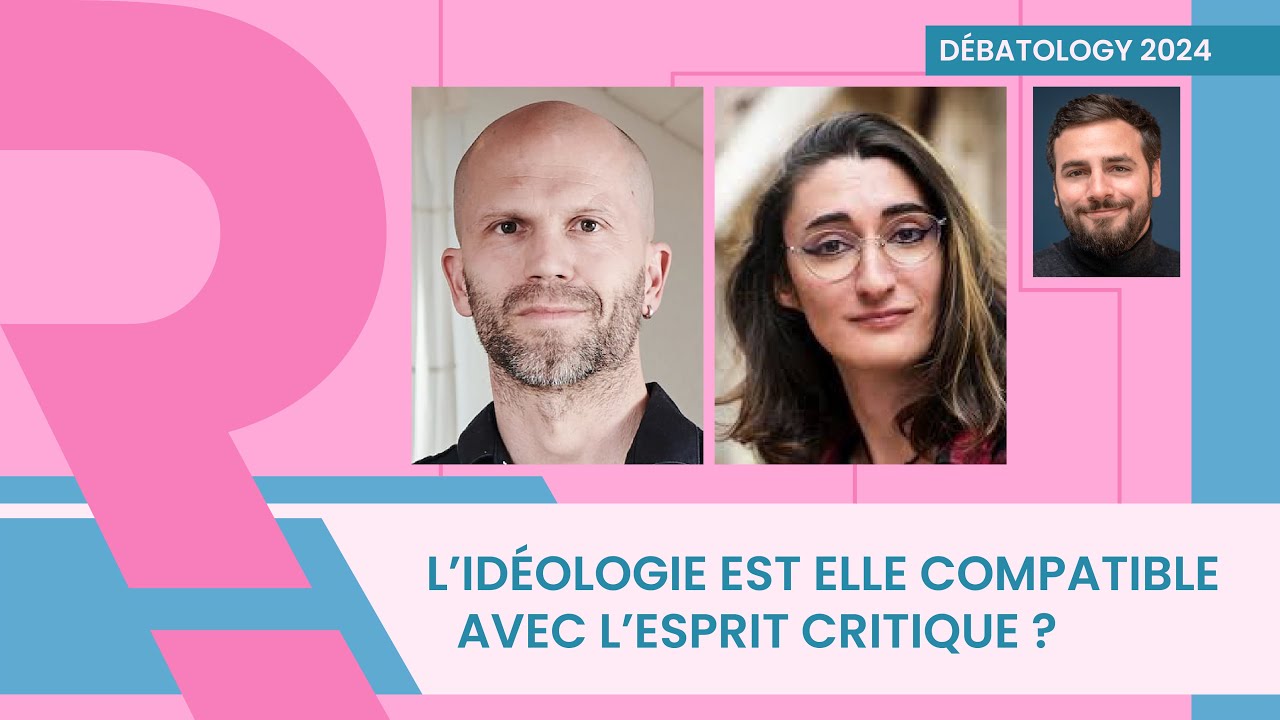
Two representatives of opposing camps, who usually clash to no effect, show an audience that a constructive debate is possible.
Easing the relationshipDeep Dive
A facilitator questions a public figure with strong convictions, for twenty to thirty minutes in front of an audience, about how they came to hold their views.
Helping to decideGrand Spectrum
A few participants stand on a spectrum according to how much they agree with a statement, explain why, and move if they are persuaded.
Helping to decideDebate-Census
A whole room reacts live to anonymous proposals, to reveal where the camps agree and what their disagreements are really about.
Helping to decideTest bench
An expert answers the most serious objections to an idea or a field, collected in advance and ranked by the audience.
Helping to decideCrowdsourced
The audience itself argues every side of a topic, and a facilitator guides it step by step towards shared ideas.
Helping to decideThe doubt’s advocate
After a talk, a moderator takes ten to fifteen minutes to set out the best reasons to doubt what has just been claimed.
Easing the relationshipHelping to decideDemocratic generator
Twenty to fifty people bring together their experiences and viewpoints on a public policy question, to produce proposals every side can accept.